This article contains affiliate links. If you buy through them we may earn a commission at no extra cost to you.
Operator’s Verdict: A go-box is a wiring discipline, not a shopping spree: one case, one fused Powerpole distribution point, dual power (battery and 13.8V supply input), and an antenna bulkhead — so deployment is open-lid, antenna, power, on the air in under five minutes. Build the power core first and properly; every other choice is swappable later.
What a Go-Box Is (and Isn’t)
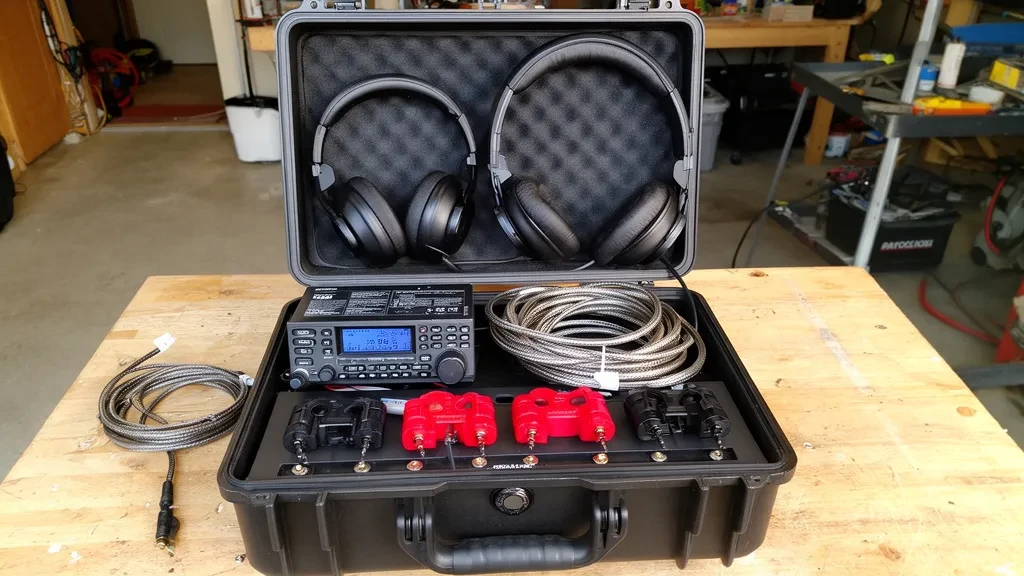
A go-box is a self-contained station in a carryable case: EmComm teams build them for deployments, POTA operators for fast setups, Field Day crews for grab-and-go stations. The defining feature isn’t the case — it’s that everything stays wired. The failure mode of loose-bag portable kits is twenty minutes of cable archaeology at the picnic table; the go-box spends those minutes making contacts.
It isn’t a place to bolt everything you own. Weight is the enemy: a box you can’t carry one-handed from car to table stops being a go box.
The Five Decisions
1. The case
- Shallow 19” rack case (3U–4U): the classic. Clean panel mounts, stackable, club-standard. Current options.
- Waterproof hard case: better outdoors, airline-friendly, harder to panel-mount. Options.
2. The radio
The FT-891 owns this niche — 100W, compact, removable head for creative mounting. The trade-offs against IC-7300 (comfort) and QRP builds (weight and battery math) are covered in our mobile radio and portable comparison guides. Decide emergency (watts matter) vs recreation (weight matters) first.
3. The power core — build this one right
This is the go-box’s actual value. One fused Powerpole distribution point, fed by either source:
- Battery: 12–20Ah LiFePO4 for 100W duty (sized honestly in the battery guide; check BMS current limits in the brand comparison).
- Mains: a 30A-class 13.8V supply mounted in or beside the box (supply guide).
- Both leads fused at the source, everything on Powerpoles in the standard orientation so any club member’s gear connects.
Run your planned loads through the power budget calculator — a 100W SSB day is ~4A average (53Wh/hour), which sets both the battery size and how long you last when the grid doesn’t.
4. The panel
An SO-239 or BNC bulkhead for the antenna, Powerpole pass-throughs for external power, and USB out for logging devices. Strain-relieve everything — vibration in a car trunk is the go-box’s natural predator.
5. Ventilation
100W FT8 turns a sealed case into an oven. Leave the lid open when operating, or cut vents with fan provision. Heat is the quiet killer of rack-case builds.
Pro Tip: Tape a QR code or bookmark to the lid pointing at current band conditions — the first question at any deployment or activation is “which band,” and answering it from data beats guessing. During solar events, the solar dashboard explains why 40m NVIS may be your only friend.
The Shopping List
The wiring standard
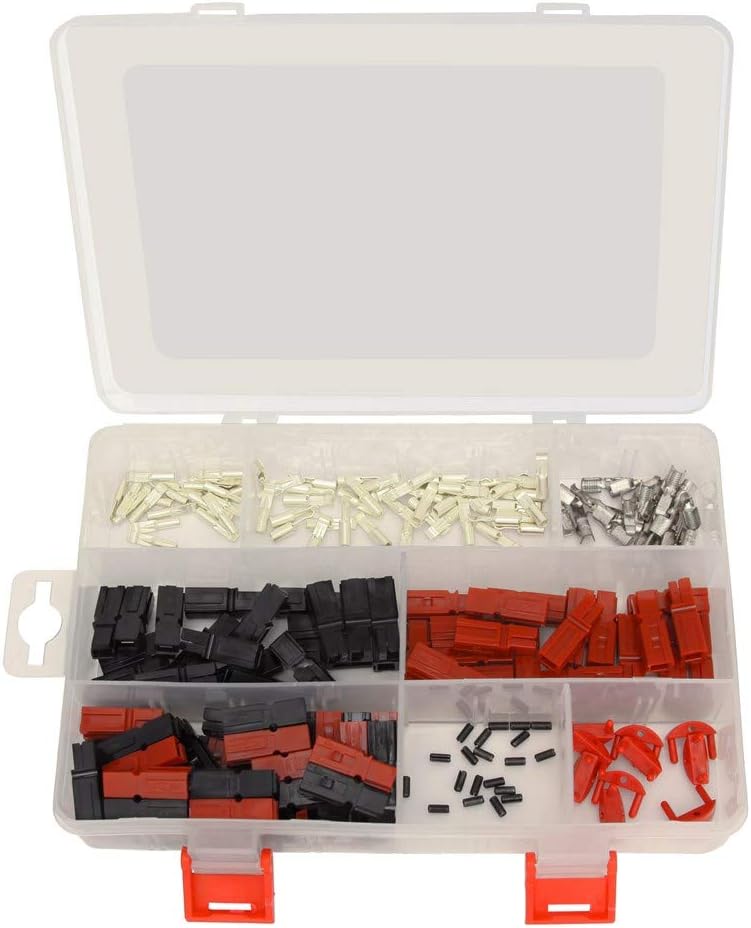
Powerwerx PowerpoleCase 150
Enough genuine 15/30/45A Powerpoles to wire the whole box — and rewire it when the layout evolves.
- 150 pieces
- 15/30/45 A
Mains-side power
TekPower TP30SWV
30A switching supply with noise offset — the budget mains leg of a dual-power core.
- 30 A
- 13.8 V
- Noise offset
Battery-side power
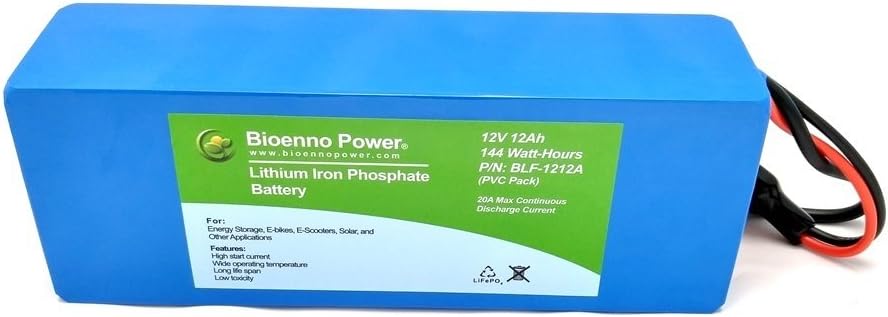
Bioenno BLF-1212A 12Ah
20A-BMS LiFePO4 — the grid-down leg for moderate-power operating; step to 20Ah for full 100W days.
- 12 Ah
- 20 A BMS
- 3.3 lb
Round out with inline ATC fuse holders, an SO-239 bulkhead, coax jumpers (coax guide covers which), and the antenna system itself — POTA antennas plus a mast.
Frequently Asked Questions
What goes in a ham radio go-box?
The core is radio + power + antenna feed, permanently wired: the transceiver, a fused Powerpole distribution point, either a LiFePO4 battery or a 13.8V supply (ideally provision for both), a mounted antenna connector, and the small stuff — coax jumpers, log, headphones — in the lid. Everything connected so that deployment is: open, antenna, power, on the air.
What radio is best for a go-box?
The FT-891 is the go-box favorite: 100W in a compact chassis with a removable head, at a workhorse price. The IC-7300 builds a more comfortable base-station-in-a-box at more weight and cost. QRP builds around an IC-705 or G90 cut battery needs by two-thirds — the honest choice depends on whether the box is for emergencies (power matters) or recreation (weight matters).
How big a battery does a go-box need?
Size it from the radio’s real draw, not guesswork: at a 50% operating cadence, a 100W radio on SSB averages about 4A (roughly 53Wh per hour), so a day of operating wants 15–20Ah of LiFePO4 — plus the ability to run from a 30A supply when mains power exists. A QRP go-box does the same day on 6Ah.
Rack case or waterproof case for a go-box?
Shallow 19-inch rack cases make clean panel-mounted builds and stack well — the classic club EmComm format. Waterproof hard cases protect better outdoors and fly better, but panel work is harder and ventilation needs planning. Either works; the discipline that matters is fusing, strain relief, and airflow across the radio’s heatsink at full duty.