This article contains affiliate links. If you buy through them we may earn a commission at no extra cost to you. Prices and ratings come from Amazon and change constantly.
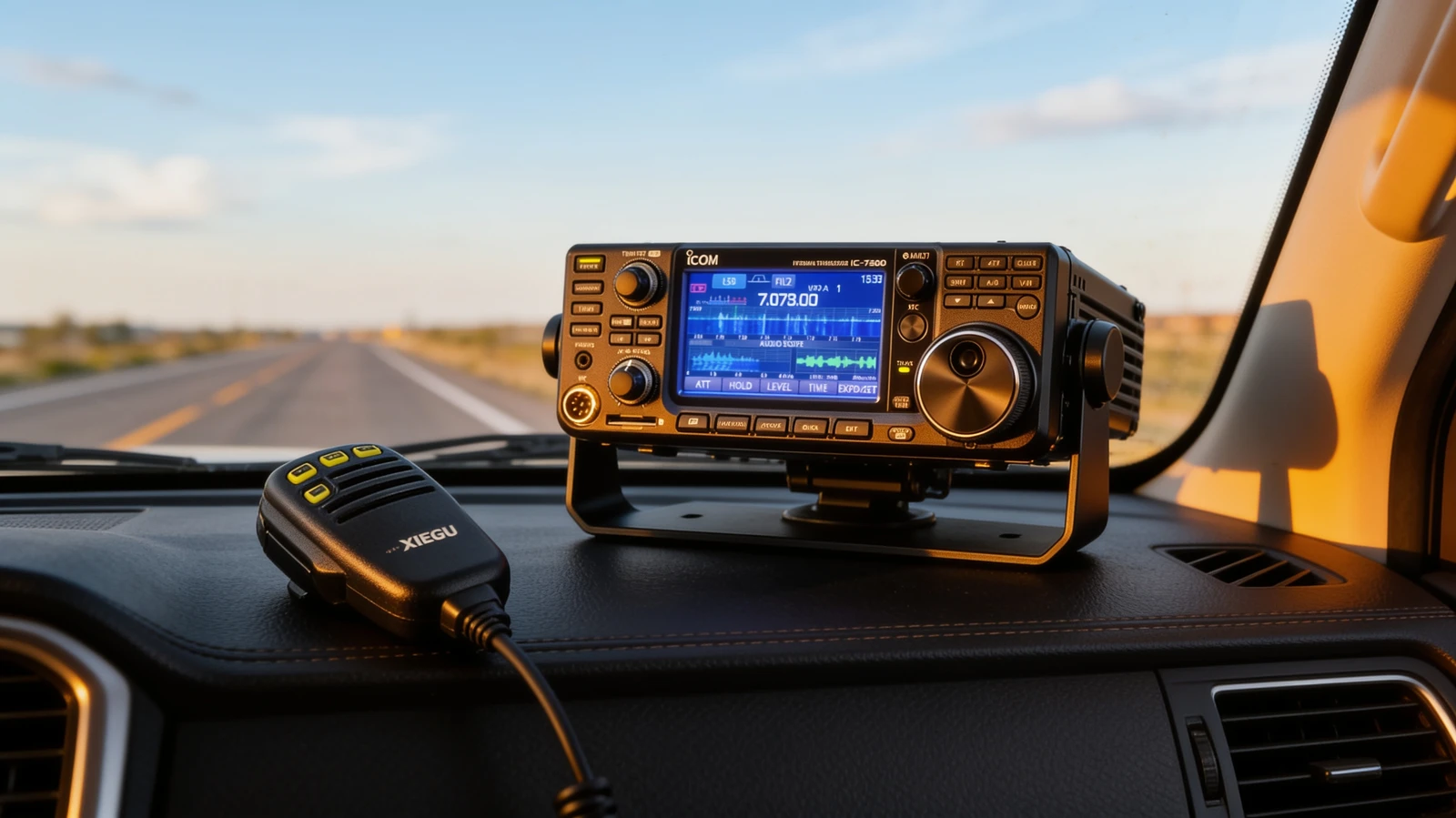
Working HF from the car turns a commute into a chance at a rare DX contact. The radios that do it best share a few traits: compact bodies, detachable control heads, and controls you can drive with. The antenna and install matter as much as the radio — but the radio comes first. Here are three rigs for three mobile situations.
Quick Picks
| Need | Radio | ~Price | Why |
|---|---|---|---|
| 🥇 Best value mobile | Yaesu FT-891 | ~$770 | 100W, detachable head, compact |
| 🖥️ Best shack-in-car | Icom IC-7300 | ~$1,200 | Scope + 100W for a camper/RV |
| 💸 Most compact / budget | Xiegu G90 | ~$465 | Tiny 20W SDR with built-in tuner |
🥇 Best Value Mobile
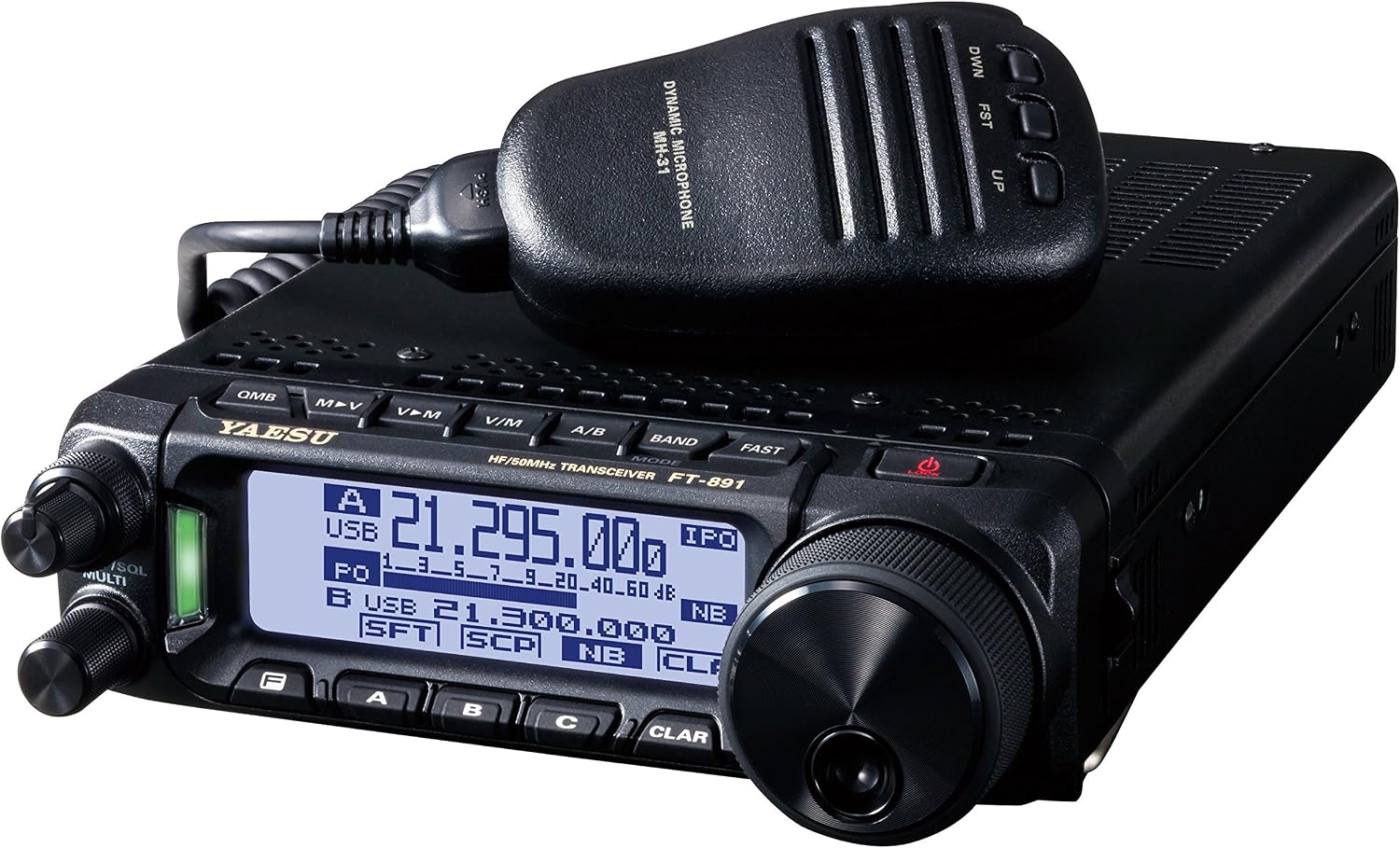
Yaesu FT-891
The mobile HF standard. 100W on HF/6m, a detachable control head made for the dashboard, and a body small enough to hide under a seat. Excellent receiver, sensible controls, and the best value in the class.
- 100W
- HF + 6m
- Detachable head
Amazon: 4.6/5 from 79 reviews. Wire it to the battery with fused heavy leads.
🖥️ Best Shack-in-Car
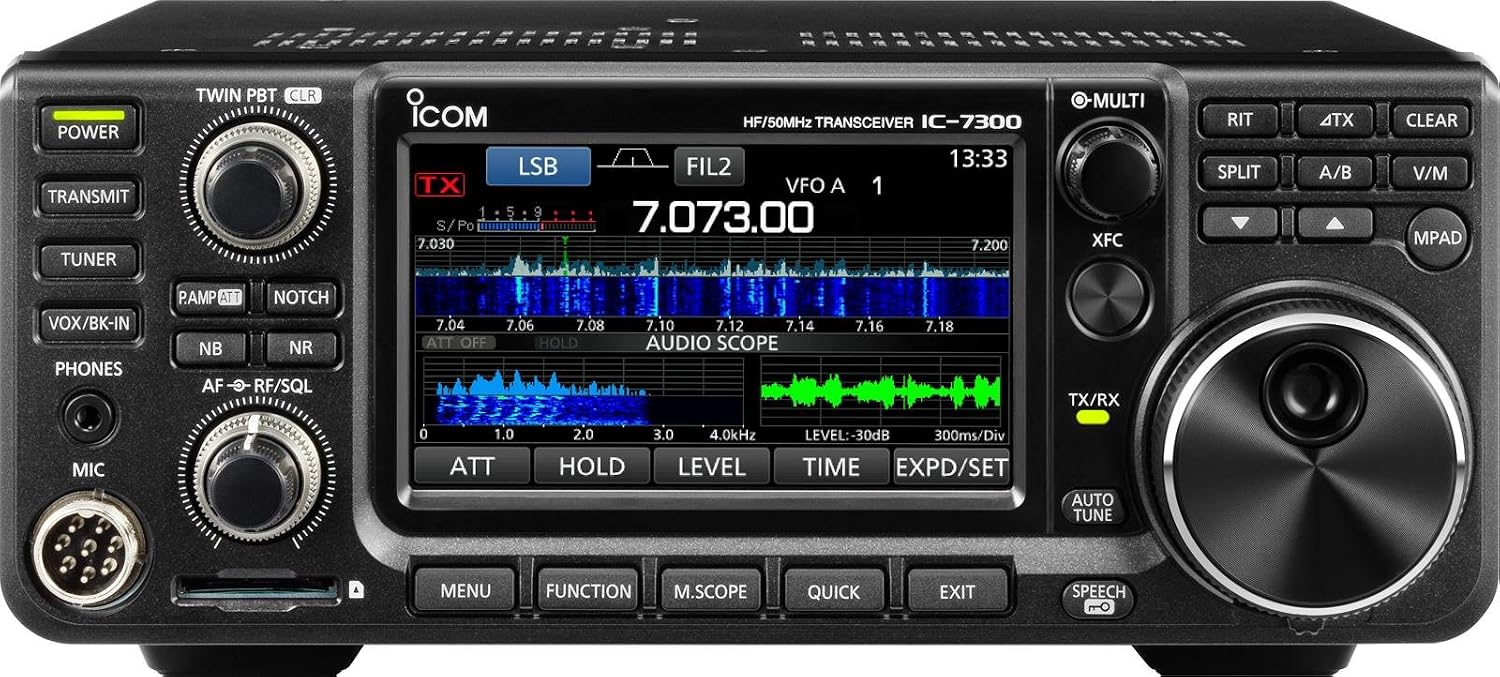
Icom IC-7300
Not a traditional mobile radio, but its waterfall scope is unmatched if you can mount it where you'll see it — perfect for a camper, RV, or vehicle where the dash has room. 100W and the best receiver here.
- 100W
- HF + 6m
- Touchscreen scope
No detachable head — best for RVs/campers, not a tight dash.
💸 Most Compact / Budget
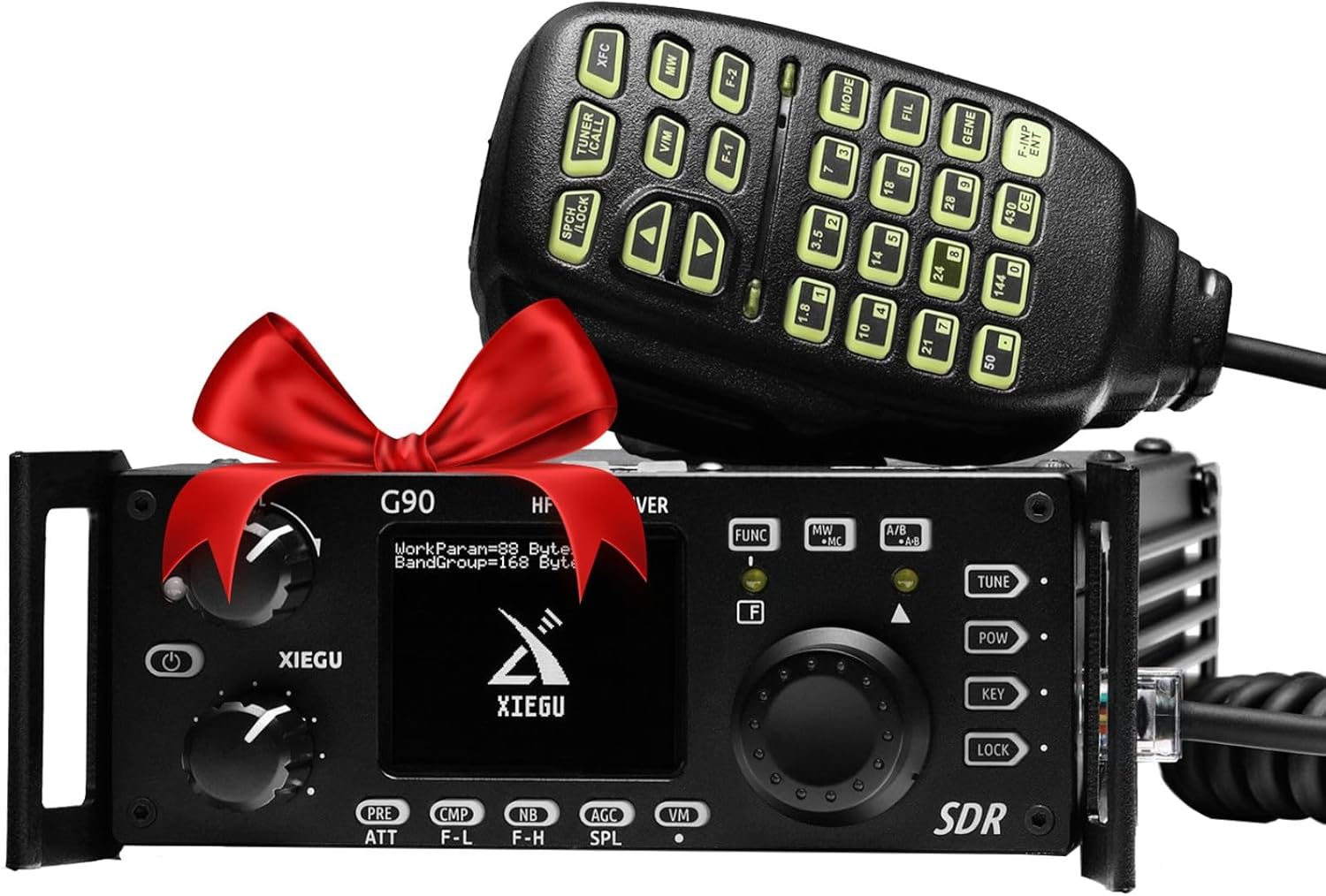
Xiegu G90
A tiny 20W HF SDR with a detachable head and a built-in antenna tuner — the tuner is a real advantage with compromise mobile antennas. Less power than the others, but it fits anywhere and costs the least.
- 20W
- HF
- Built-in ATU
Amazon: 4.5/5 from 424 reviews. The built-in tuner shines on mobile whips.
The install matters as much as the radio
A mobile HF radio is only as good as its install. Three things make or break it:
- Power: run fused, heavy-gauge leads straight to the battery, never the cigarette socket. A 100W radio wants a clean 20A+ path.
- Antenna: short loaded whips and screwdriver antennas are the norm — none is full-size, so bonding the vehicle well and using a tuner is essential. Expect the best results on 10m and 20m, more challenge on 40m/80m.
- Noise: vehicles are electrically noisy. Ferrite chokes and good grounding keep your receiver usable.
If you’ll operate more from picnic tables than the driver’s seat, also look at our portable POTA/SOTA radio guide — the same radios often do both jobs. And read up on the realities of mobile HF operating before you install.
Who should skip these
If you only operate parked — at a park bench or campsite — you don’t need a mobile-specific radio; a portable QRP rig may suit you better and use less power. And if you want the absolute best HF receiver for a home station and will never drive with it, the IC-7300 is better bought as a base radio, as covered in our beginner HF radio guide.
Frequently Asked Questions
What is the best mobile HF radio in 2026?
The Yaesu FT-891 is the value benchmark for mobile HF: 100W on HF and 6m, a detachable control head that fits a dashboard, and a compact body that tucks under a seat. If you want a spectrum scope and don’t mind a larger install, the Icom IC-7300 makes a great shack-in-the-car; if space and budget are tight, the Xiegu G90 is a tiny 20W SDR with a built-in tuner.
Do I need a special antenna for mobile HF?
Yes — mobile HF uses short, loaded “screwdriver” or monoband whip antennas mounted to the vehicle, because a full-size HF antenna won’t fit on a car. These antennas are a compromise, so a good ground/bonding job and an antenna tuner matter a lot. Expect solid results on the higher bands like 20m/15m/10m and more challenge on 40m/80m where the antenna is electrically small.
How much power can I run mobile without draining the battery?
A 100W radio draws around 20A on transmit peaks, which a running vehicle’s charging system handles easily. Wire the radio directly to the battery with fused, heavy-gauge leads — not the accessory socket — and you’ll have no trouble at 100W while driving. Transmitting at high power with the engine off will drain a car battery over time, so keep it running for long sessions.
Is the FT-891 or IC-7300 better for mobile?
The FT-891 is purpose-built for mobile: smaller, with a detachable head designed for dashboard mounting and simple controls you can use while driving. The IC-7300 is larger and has no detachable head, but its touchscreen scope is superb if you can mount it where you’ll see it — better suited to a camper, RV, or base-plus-occasional-mobile role than a tight car dash.
Can I use a mobile HF radio as a base station too?
Absolutely — many operators run a compact radio like the FT-891 at home on a power supply and move it to the car when needed. It’s a great way to own one radio for both roles. You’ll just want a proper home antenna and a 25–30A power supply for base use, and a mobile antenna plus a good vehicle install for the car.