This article contains affiliate links. If you buy through them we may earn a commission at no extra cost to you. Prices and ratings come from Amazon and change constantly.
An antenna tuner is the peacekeeper between your radio and a less-than-perfect antenna. It won’t make a bad antenna good, but it lets your radio deliver full power safely into a multiband wire or an antenna that’s a little off resonance — and that covers most real-world stations. Here are the picks, plus an honest look at when your radio’s built-in tuner is already enough.
Quick Picks
| Need | Tuner | ~Price | Why |
|---|---|---|---|
| 🥇 Best auto tuner | LDG AT-100ProII | ~$322 | Wide match, 125W, one-button |
| 💸 Best compact auto | LDG Z-11ProII | ~$225 | Same power, smaller and cheaper |
| 🔌 Already covered? | Built-in ATU | — | Many radios include one |
🥇 Best Auto Tuner
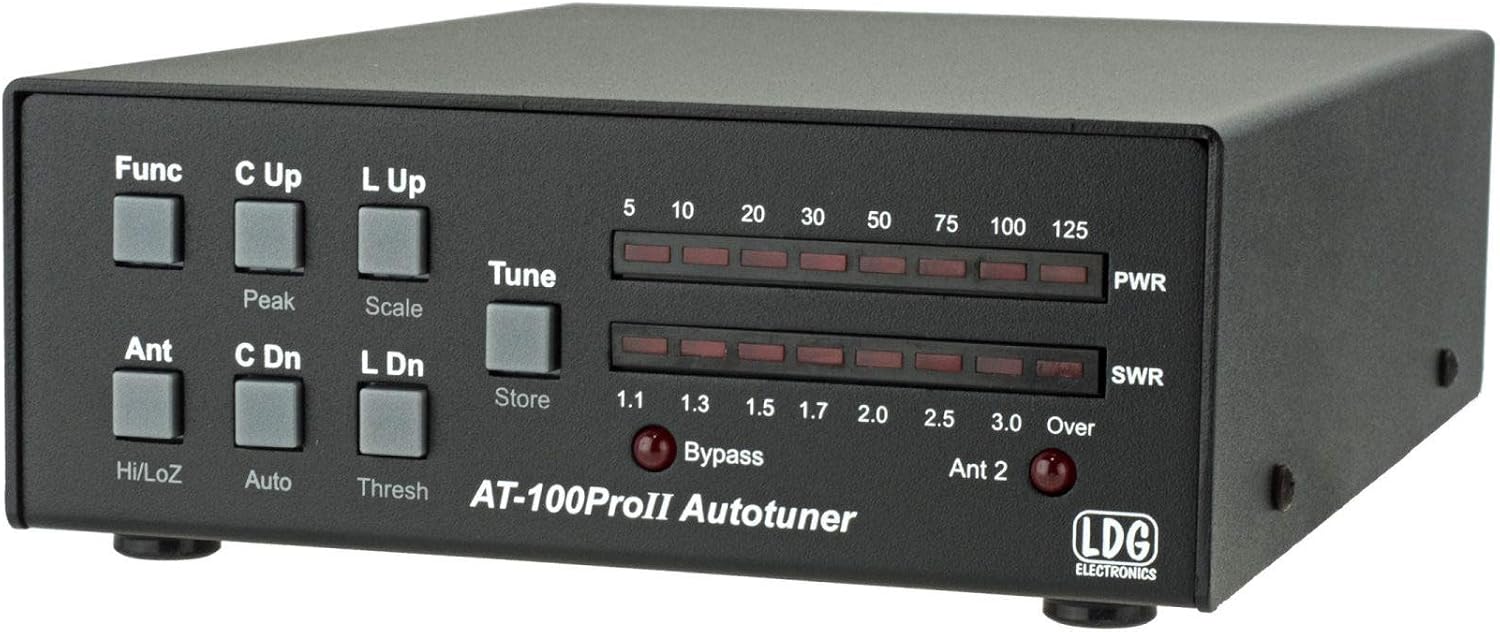
LDG AT-100ProII
The shack standard: an automatic tuner that matches a wide range of antennas from 1.8–54 MHz at up to 125W, finds a match in a second, and remembers settings per band. Set-and-forget matching for a multiband wire or an off-resonance antenna.
- 1.8–54 MHz
- 125W
- Auto + memory
Amazon: 4.4/5 from 51 reviews. Great match for a 100W radio and a wire antenna.
💸 Best Compact Auto
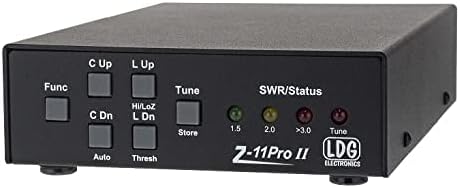
LDG Z-11ProII
A smaller, more affordable automatic tuner with the same 0.1–125W range — a favorite for portable and compact stations. Runs on internal batteries, so it's handy for field setups where the antenna needs matching.
- 1.8–54 MHz
- 0.1–125W
- Compact · battery
Amazon: 4.4/5 from 28 reviews. Great for QRP and portable stations.
Do you even need one? Check your radio first
Before buying a tuner, check what your radio already has:
- Xiegu G90 and X6100 include a capable built-in ATU that matches moderate mismatches — often all a portable operator needs.
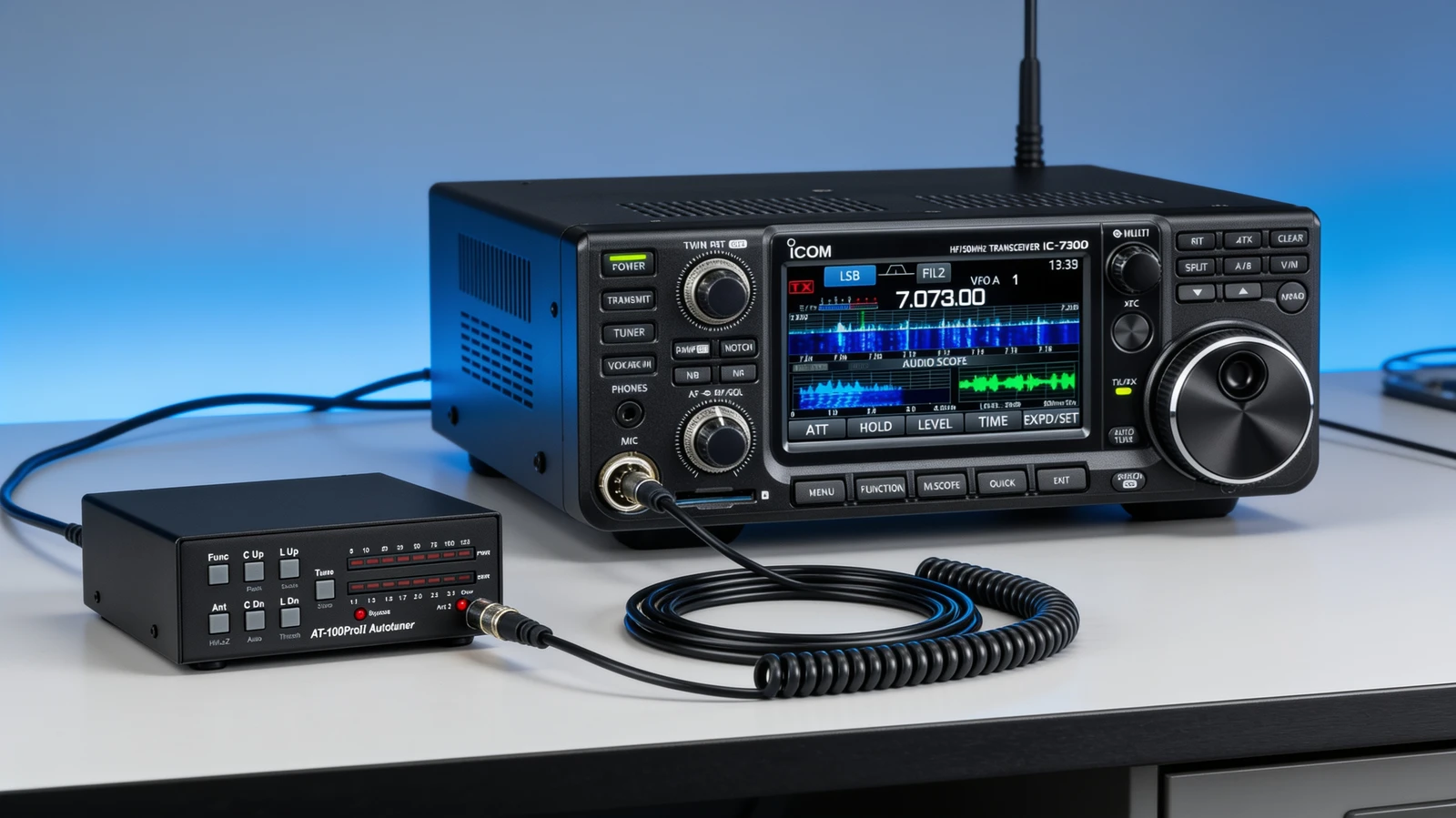
- Icom IC-7300 has a built-in tuner, but it only matches a narrow range near resonance; a high-SWR wire will need an external tuner.
- Yaesu FT-891 and FT-991A have no HF ATU built in, so a multiband wire antenna wants an external tuner.
If your antenna is resonant on the bands you use, you may not need a tuner at all — the honest answer is that a well-cut dipole or EFHW sidesteps the whole question. A tuner earns its place with multiband wires and compromise antennas.
Tuner vs analyzer — they’re not the same
A tuner matches what your radio sees; an antenna analyzer measures what your antenna actually does. Don’t use a tuner to hide a broken antenna — a tuner can present a happy 1:1 SWR to your radio while power is being lost in a bad match or feedline. Use an analyzer to fix real antenna problems, and a tuner to handle the small, legitimate mismatches that remain.
Who should skip these
If you only ever run resonant, single-band antennas cut for each band, you don’t need a tuner. And if your radio has a built-in ATU that already matches your antenna — check the range — save your money. Buy a tuner when you run a multiband wire or an antenna that’s genuinely off resonance and your built-in tuner can’t cope.
Frequently Asked Questions
What is the best antenna tuner for ham radio in 2026?
For most operators an automatic tuner like the LDG AT-100ProII is the best choice — it matches a wide range of antennas at up to 125W with one button press and remembers settings per band. If you want a more compact or budget auto tuner, the LDG Z-11ProII covers the same power range in a smaller package. Buy an external tuner if your radio lacks a built-in ATU or your antenna presents a high SWR.
Do I need an antenna tuner?
You need one if your antenna isn’t resonant on the bands you use, or if you run a multiband antenna like a single wire across several bands. A tuner doesn’t “tune the antenna” — it matches the impedance your radio sees so it can deliver full power safely. If you only run resonant antennas cut for each band, you may not need a tuner at all.
What’s the difference between an automatic and a manual antenna tuner?
An automatic tuner finds a match in a second or two at the push of a button and stores settings per band, which is why most operators prefer them. A manual tuner is cheaper and can handle higher power and wider mismatches, but you adjust two knobs for a match every time you change bands. For convenience, go automatic; for high power or the widest matching range on a budget, manual still has a place.
Does a built-in antenna tuner replace an external one?
Sometimes. Radios like the Xiegu G90 and X6100 include a built-in ATU that handles moderate mismatches, and the Icom IC-7300 has one that only matches a narrow range. A built-in tuner is enough for near-resonant antennas; for a high-SWR wire or an antenna far off resonance, a full external tuner like the LDG matches a much wider range. Check your radio’s tuner range before buying.
Can an antenna tuner damage my radio?
No — used correctly a tuner protects your radio by presenting it a safe match, preventing the automatic power foldback that high SWR triggers. What it can’t do is fix a broken antenna or feedline; a tuner masks a bad match but doesn’t cure the underlying loss. Always tune at low power, and use an antenna analyzer to find and fix real antenna problems rather than tuning around them.